
Nepal Travel Guide
Temples, treks & smiling faces
Including Kathmandu,
Everest Base Camp Trek
& three Annapurna Treks
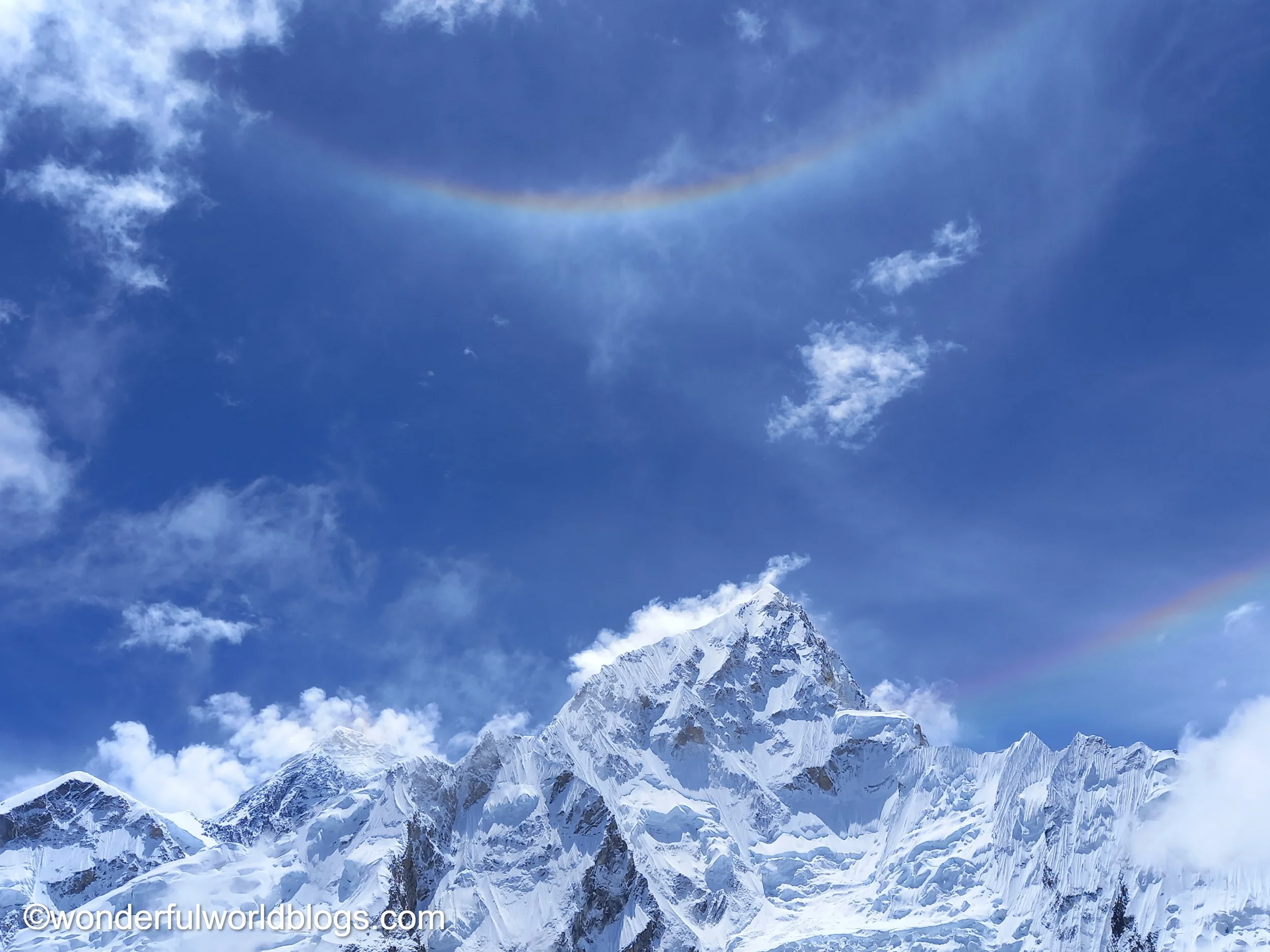
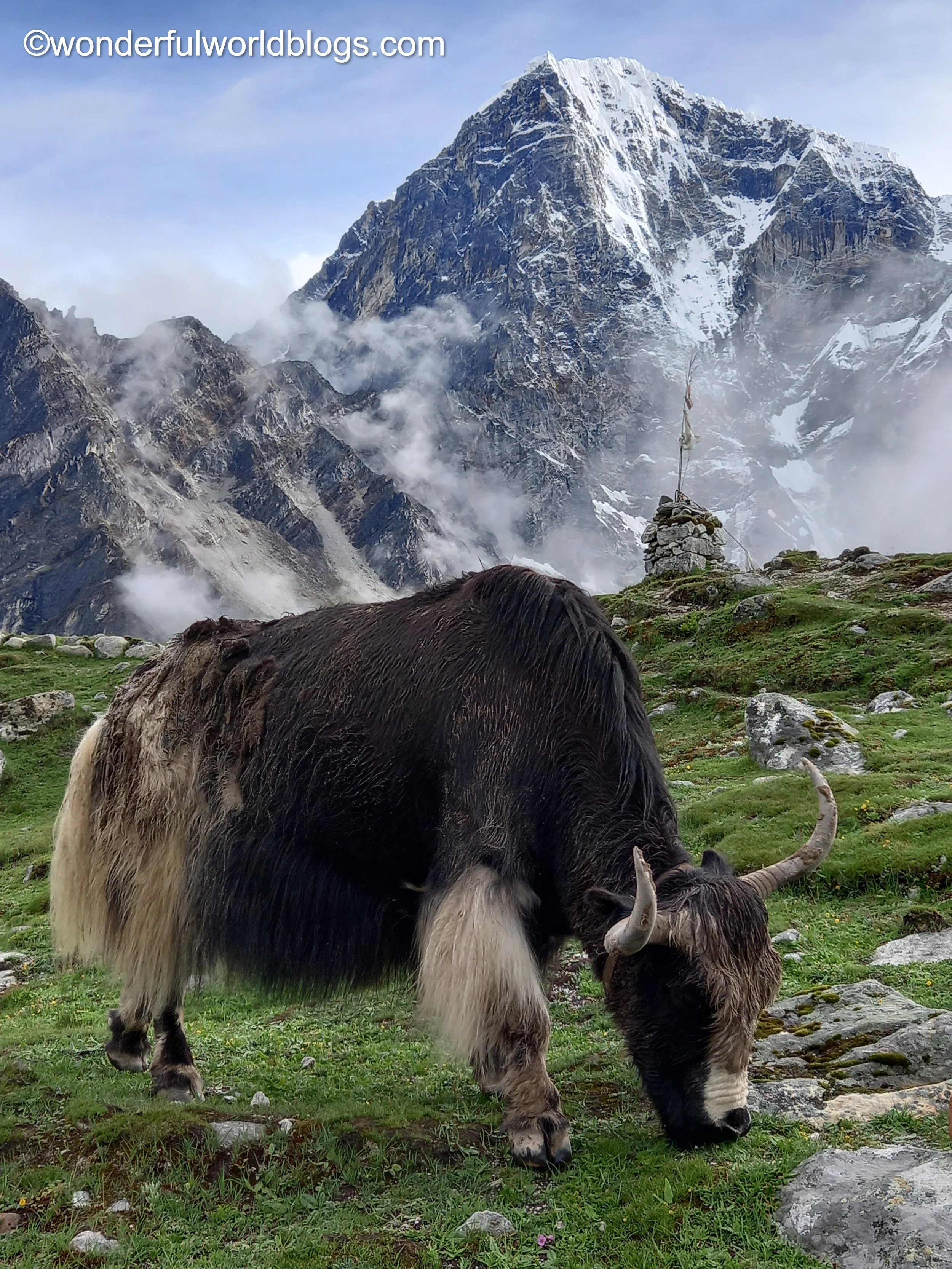
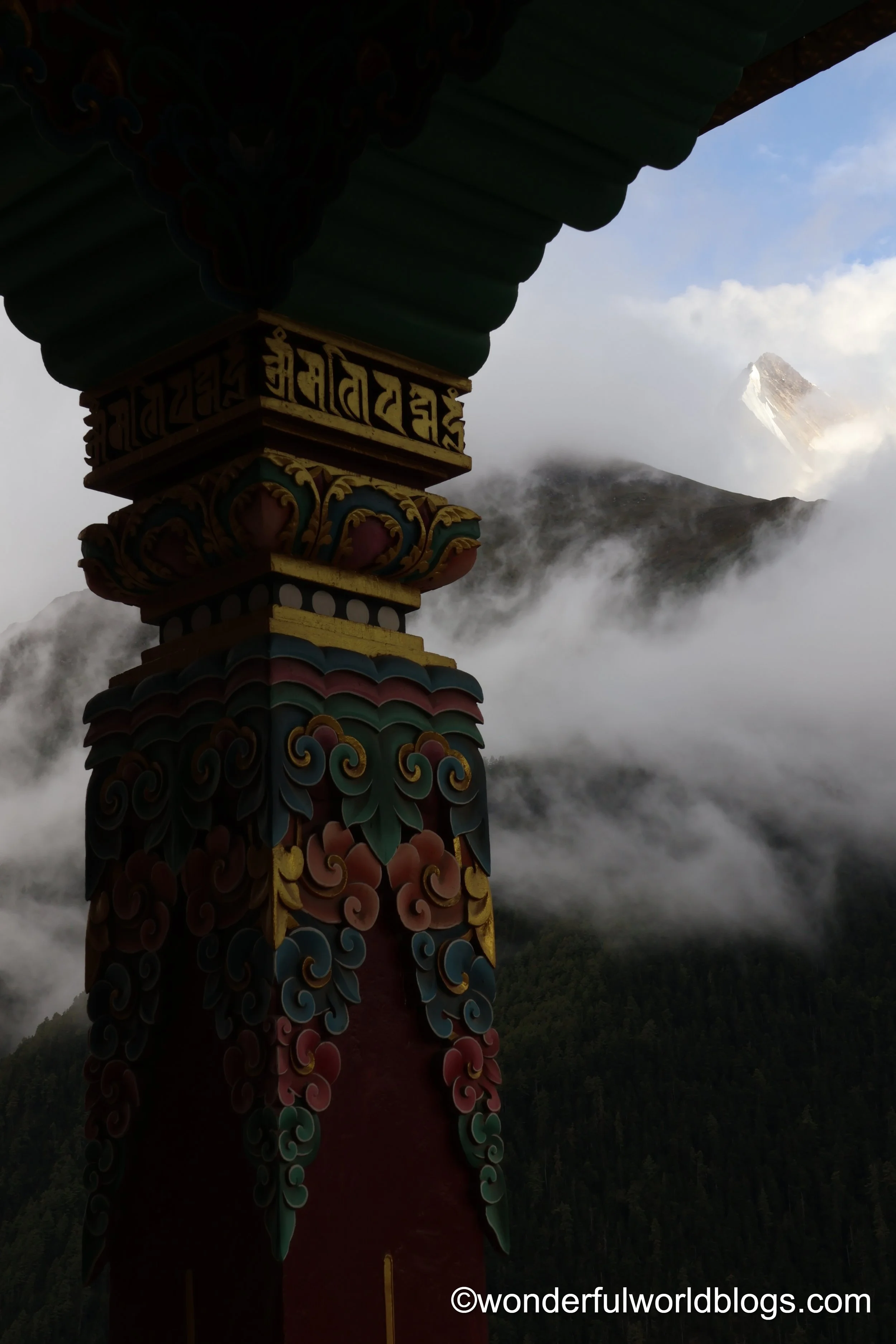
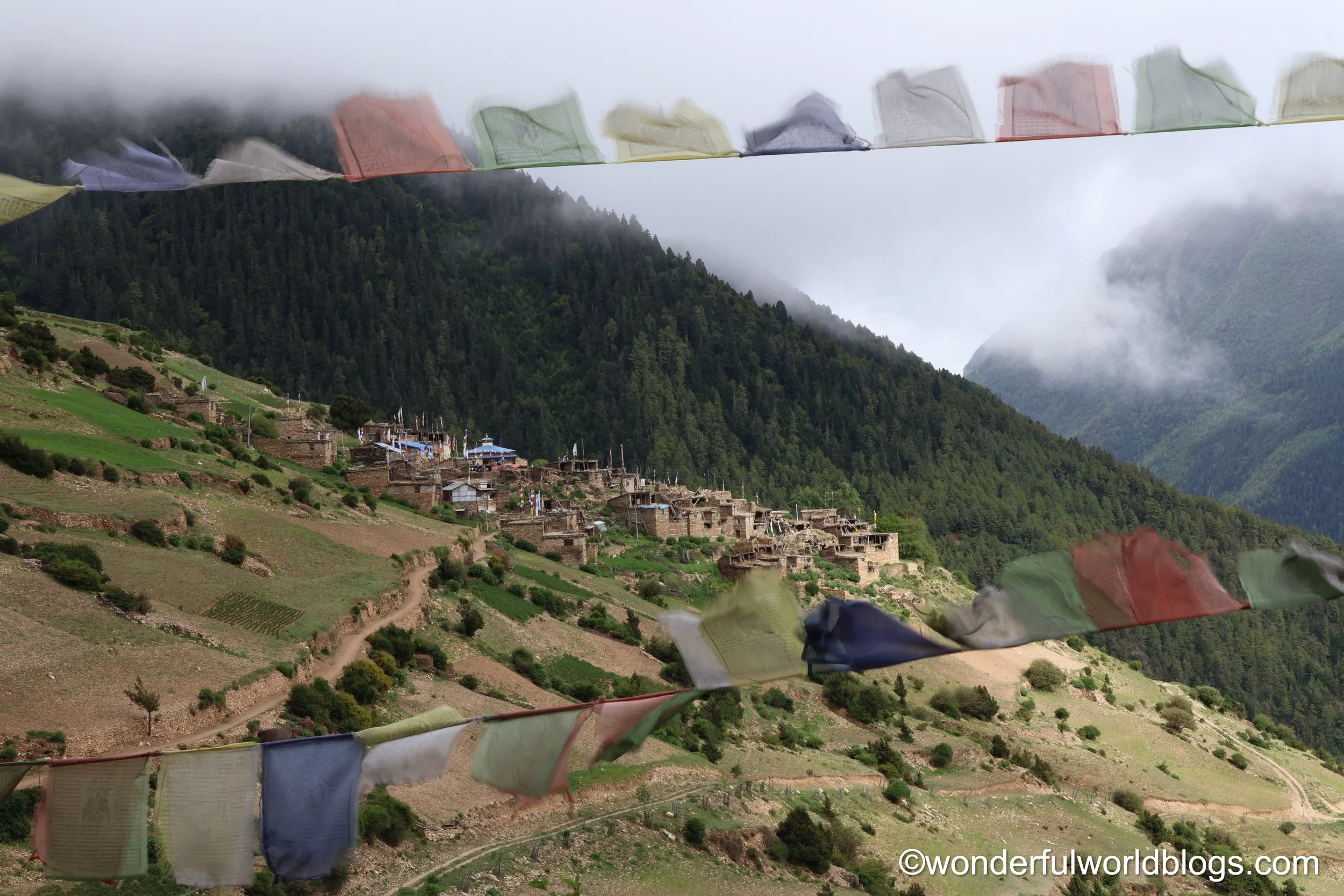
From left to right: 1-2 Everest Base Camp Trek
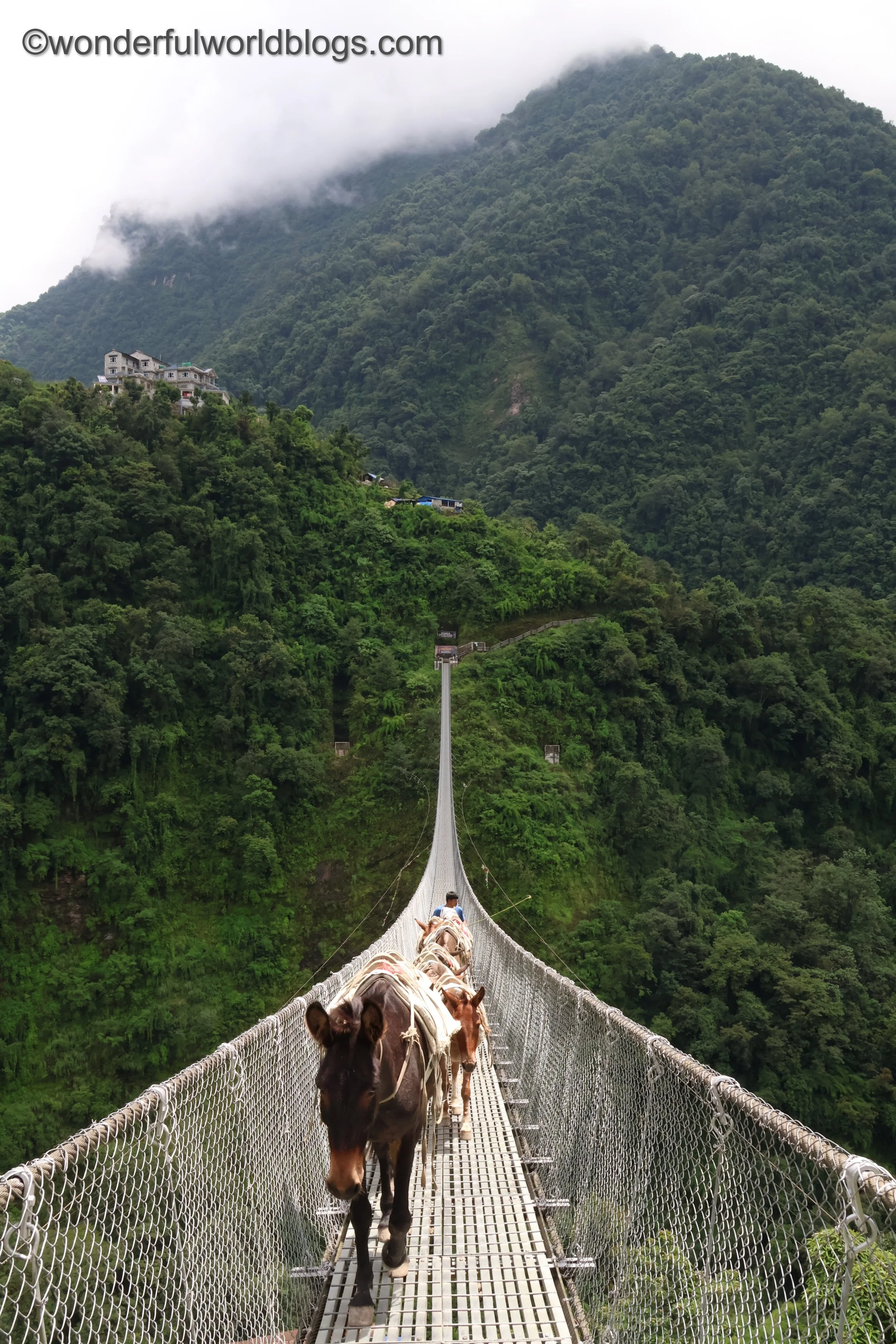
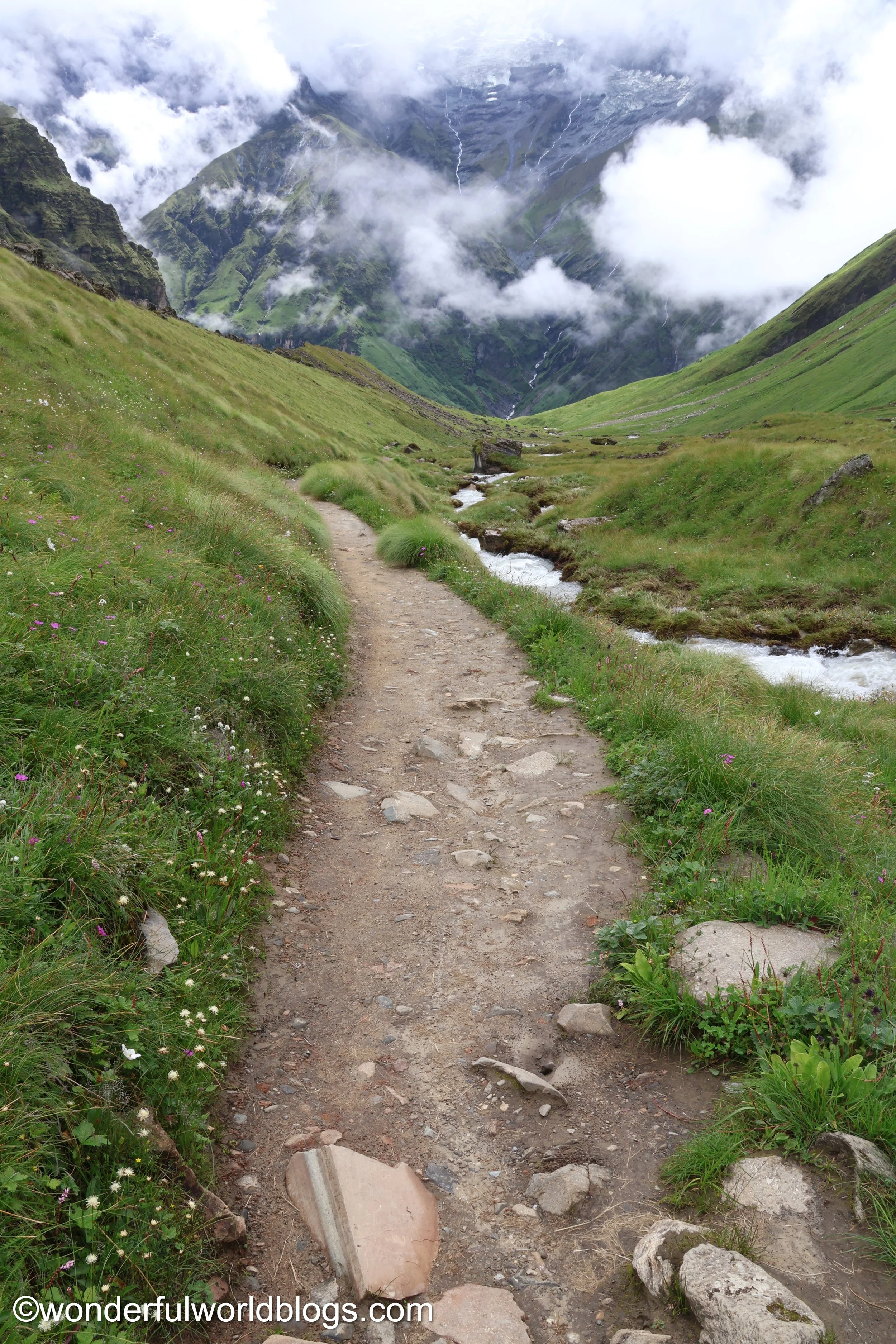
3-4 Annapurna Base Camp Trek
5-6 Annapurna Circuit Trek
Skip to Everest Base Camp Trek
& Annapurna Treks
Why visit?
Some of the most awe-inspiring mountains and architecture in the world, and some of the friendliest people.
Kathmandu & around
Type of tourist
People who love historic buildings, rather than those seeking a lively nightlife!
Best places to visit
In Kathmandu, visit Durbar Square and Swayambhunath (the Monkey Temple), with has great views over the city. Boudhanath Stupa and its surrounding Buddhist temples are impressive and deeply spiritual. The area also has good accommodation and restaurants, making it my favourite place to stay in the city, away from the busy traffic.
Near Kathmandu are the historic cities of Bhaktapur and Patan (Lalitpur), each of which can be explored in a day. If you only have time for one, choose Bhaktapur. Patan also has a fantastic array of historic buildings, but Bhaktapur’s magnificent, pedestrianised main square, together with the temples and craft shops in its backstreets, gives it the edge. Try to fit in a short trek in the Kathmandu Valley too.
Best time to visit
For the cities, any time of year.
How many days do I need?
Three to five days.
Safety
Generally safe, but be careful with road safety.
Getting around
Use taxis with windows that close. If you travel in an open vehicle, such as a tuk-tuk, you will inhale a lot of polluted air, so it is worth bringing a facemask. Make sure you negotiate the fare in advance.
Daily budget
Around £50 ($65) if you stay in basic accommodation.
Other practical tips
You should be able to obtain a visa on arrival at Kathmandu airport, but check the latest requirements, as these may change. Be careful about scam sites if buying a visa online in advance. You will need to carry cash, as many places don’t take card. There are not many ATMs either, so withdraw a reasonable amount when you get the chance.
General impressions
Kathmandu is busy and polluted, but its architecture and culture, and those of neighbouring Bhaktapur, are world-class.
Everest Base Camp Trek
& Annapurna Treks
Skip to Which trek is right for me?
Why visit?
Some of the finest treks in the world, offering not just spectacular mountains but also incredible religious sites and an insight into traditional village life. The people in the countryside are lovely.
Type of tourist?
Those who enjoy trekking and don’t mind basic accommodation.
Best places to visit en route to Annapurna
Pokhara, a lakeside town and the main trekking hub of for the region. It has a great array of restaurants, bars and shops.
Additional places
The historic towns of Gorkha and Bandipur, on the way to Pokhara, will not disappoint, and are more authentically Nepalese than Pokhara.
Best time to visit?
Generally, March to April, and October to November. These months usually offer the clearest skies, but there are drawbacks: busy trails, accommodation that get booked up quickly, and the cold, which can be dangerous on the highest points of the Annapurna Circuit.
I have done all of the treks in July and August, which is the monsoon season. You will need to be careful of landslides after heavy rain. However, this time of year offers some clear advantages. Although clouds often obscure the views, if you are trekking for a week or more, you will always get to see the mountains at some point. Photography can also be better when there are some clouds. The weather is warm, so you can often walk in just a t-shirt, with waterproofs to hand. The paths are quieter, and you will not have a problem finding accommodation.
Safety
On the whole, theft and more serious crime are rare. The main risks are related to health, natural hazards and transport.
Health-wise, you are likely to get diarrhoea at some point, so always carry plenty of anti-diarrhoea and water-purification tablets.
Altitude sickness should be taken very seriously. Allow sufficient time for acclimatisation (two days minimum, preferably more), ascend gradually, and never continue upwards if you develop symptoms. If symptoms develop, stop ascending; if they worsen or do not improve, descend. When ascending, having to walk very slowly and to stop regularly to catch your breath is perfectly normal. The most important thing is to listen to your body and act accordingly.
Beware of altitude sickness when group trekking: Unless you are an irresponsible solo trekker, you may actually be more likely to run into problems with altitude sickness when trekking in a group. You will be under pressure to keep up with other hikers, even when your body needs more time to acclimatise. Check carefully how many acclimatisation days are included in the itinerary and whether there is flexibility to allow additional rest days if needed. A better option might be to hire a guide and trek with a small group of fellow travellers, while keeping a few extra days free in your itinerary.
Natural hazards: These include avalanches and landslides. You would be very unlucky to be caught in one, but always ask locals and guides about conditions. Glaciers are particularly dangerous: only venture onto them with an experienced guide. Weather can change rapidly, so check forecasts and seek local advice. There are also numerous steep drops along the trails. Keep well away from the edges. Where a narrow path leaves little room for manoeuvre, walk slowly and take extreme care. On the whole, however, the trails covered below are relatively straightforward and safe to walk, with the notable exception of the Cho La Pass, which is considerably steeper and more challenging.
Route-finding on the main treks is generally straightforward, but use a combination of a map and an app. If in doubt.
If you are careful about natural hazards, particularly steep drops and glaciers, and seek local advice, you can reduce the risks considerably.
Transport carries its own risks. The likelihood of a serious plane or road accident, while higher than in Europe, is low. When travelling by road, particularly on the return from the Annapurna Circuit, consider hiring a jeep, as the road is narrow and dangerous.
Whilst trekking in the mountains is never without danger, you will experience some of the world's greatest landscapes, get fit and feel inspired. It is well worth it.
Getting around
You can fly from Kathmandu to Pokhara or Lukla (for Everest Base Camp) in about an hour, but delays due to the weather can hold you up for several days. Alternatively, you can get to Pokhara by bus, or take a jeep towards Lukla. It is worth paying extra for a tourist bus, as local buses get very overcrowded and make frequent stops. From Pokhara, ask locally for buses to the starting points of the Annapurna treks, or negotiate a taxi fare.
Daily budget
Once in the mountains, around £30 ($40) cash per day should be enough, excluding the cost of a guide or porter, with whom you should negotiate a fee in advance.
What to bring
All the usual good-quality hiking gear. Full waterproofs are essential, as are a plentiful supply of anti-diarrhoea tablets and water purification tablets. You do not need a tent or sleeping bag, as there are lodges at regular intervals. However, a sleeping bag liner and pillow case are a good idea, as bedding is not always as clean as you might like.
Apart from in Lukla and Namche Bazaar on the Everest Base Camp, and in Manang on Annapurna Circuit, there are no opportunities to withdraw cash on any of these treks, and any ATMs you encounter cannot be relied upon. Very few places accept cards either. Therefore, bring all the cash you will need for the entire trek, plus an additional £200 ($265) or so for emergencies. Running out of money for food or accommodation is something you really want to avoid. Although you should take care of your cash, theft is unlikely.
Other practical tips
When I did these treks, hiring a guide or porter was not something I considered necessary, as the main trails were generally easy to follow using a map or navigation app. However, trekking regulations change, and some routes may now require a licensed guide. Check the current requirements before setting off. Where a guide or porter is needed, you can often arrange one locally in Pokhara or at a nearby trekking hub, rather than paying the prices charged by international tour companies. You will also need to acquire the necessary permits, such as a TIMS card.
The major exceptions in terms of difficulty are the Cho La Pass and the Ngozumpa Glacier, which lie on the route linking Everest Base Camp with the Gokyo Lakes. These should not be attempted without an experienced guide. Even around Everest Base Camp, the Khumbu Glacier is dangerous, so do not venture onto it without a guide.
General impressions
All of these treks are physically demanding. However, provided you have a reasonable level of fitness, you can build up your stamina along the way. The important thing is to allow enough time for acclimatisation, however fit you are, and to account for possible travel delays. People come to Nepal for the mountains, but they return for the people.
Which trek is right for me?
Everest Base Camp Trek,
or one of the Annapurna Treks?
Annapurna Base Camp Trek
One week, with a spectacular finale
Positives: A beautiful walk with amazing views, especially at the Jhinu Danda suspension bridge and at Base Camp itself, which is one of the most incredible sights in the world. The trek is at a relatively low altitude, so less time is needed for acclimatisation.
Negatives: No major religious sites, and less interesting scenery or village life than on the Annapurna Circuit.
Suitable for: Less experienced trekkers and those with limited time.
Annapurna Circuit Trek
Two to three weeks, with stunning views, traditional villages and world-class religious sites
Positives: A great variety of scenery, including mountain panoramas, deep gorges and the Thorong La Pass. You’ll also experience traditional village life. Braga Gompa and Muktinath are fascinating and deeply moving places to visit.
Negatives: The early part of the trek follows a road, although it is not a very busy one. The trek also requires more time for acclimatisation.
Suitable for: Experienced trekkers and those with more time.
Annapurna Panorama Trek
Five days, with an awesome panorama from Poon Hill
Positives: A shorter trek, but with some great views, especially from Poon Hill. There are also some lovely villages along the way, such as Ghandruk and Ghorepani.
Negatives: No major religious sites. Although relatively short, it isn't an easy walk. In particular the ‘Endless Staircase’ is a real knee-buster!
Suitable for: Fit people who are short on time.
Everest Base Camp Trek
Two weeks, famous for a reason
Positives: Unforgettable views of Ama Dablam and Everest, flanked by Lhotse and Nuptse. The feeling of being at Base Camp, from where the Khumbu Icefall leads towards the top of the planet. You can also extend the trek by returning via the Cho La Pass and Gokyo Lakes. Along the way, you'll experience traditional village life, the bustle of Namche Bazaar, the spirituality of Tengboche Monastery, and see what might be a yeti skull! And, of course, there's the bragging rights.
Negatives: Flights to and from Lukla are frequently delayed, sometimes for several days. If you have to wait more than a day or two it might be worth considering alternative transport by road, where available. The trek can also be dangerous if you don't allow sufficient time for acclimatisation. You will probably need more than two weeks if you return via the Gokyo Lakes, but it is well worth the extra time.
Suitable for: Anyone with a good level of fitness and enough time for acclimatisation and possible flight delays.
Discover more
Discover more by browsing the Photography Gallery, with spectacular views from the Annapurna Base Camp Trek and Annapurna Circuit Treks, as well as the Everest Base Camp Trek.
Lorem ipsum dolor sit amet, consectetur adipiscing elit. Vestibulum id ligula porta felis euismod semper.